Basic Economy to Business Class: What Each Fare Type Includes
What you give up with the cheapest airline fare and what each step up adds, from basic economy to business class, using American, Delta, United and Alaska's own fare pages.

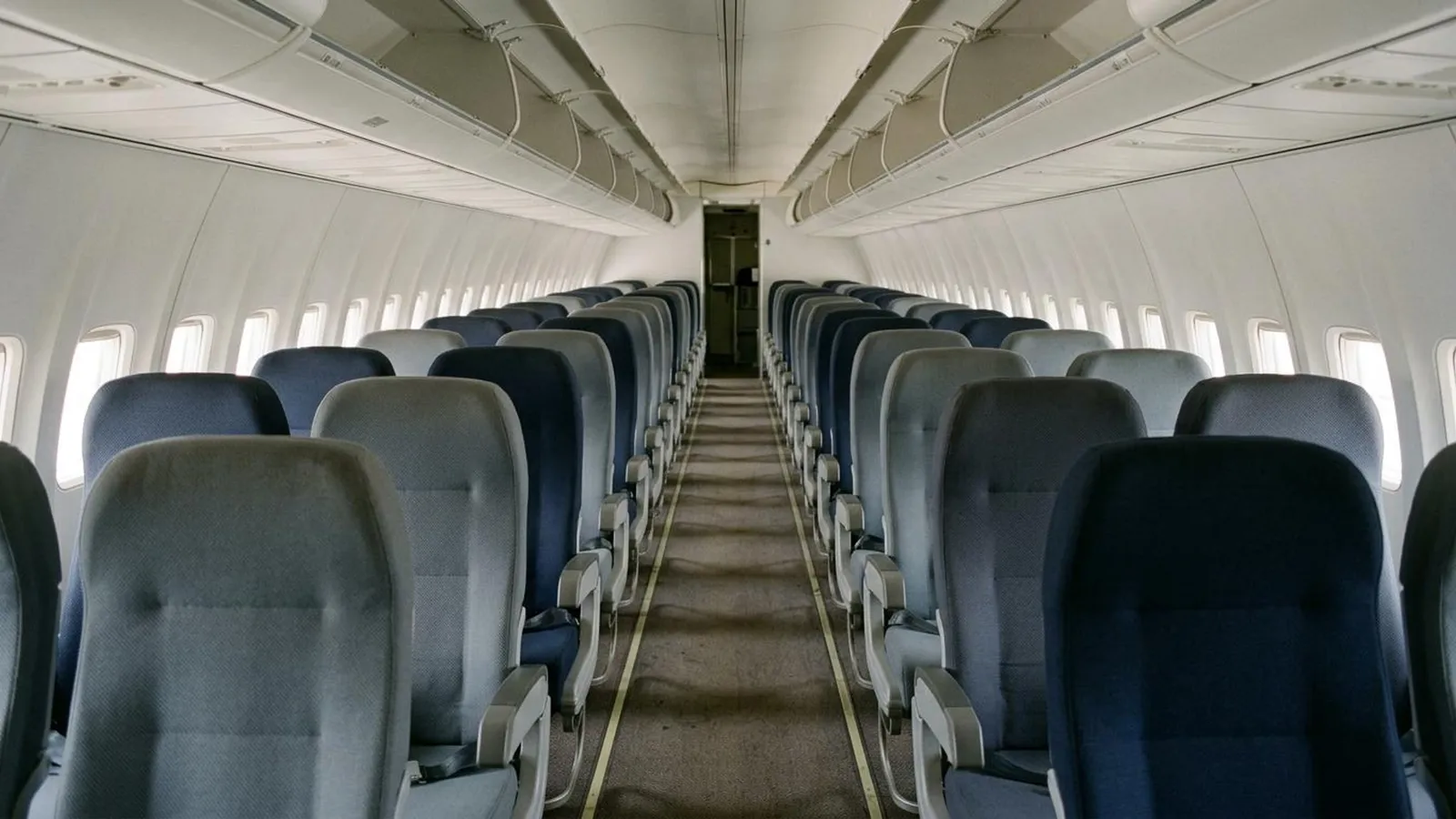
Airline booking screens show a row of prices for the same flight, and the names do not explain what you lose by taking the cheapest. This guide walks up the ladder for US travelers, using what American, Delta, United and Alaska said on their own pages on November 15, 2026. Fare rules change, so check the airline’s page before you buy.
Cabin and fare type are different things
A cabin is the part of the plane you sit in: economy, premium economy, business or first. A fare type is the set of rules sold with a seat in that cabin.
Basic economy is the clearest example. It is a fare type, not a cabin. American calls it its “lowest Main Cabin fare,” and Alaska says its Saver fare provides “Main Cabin inflight amenities.” Delta lists Main Basic, Main Classic and Main Extra as three options within Delta Main, each with different boarding, change and refund terms (Delta Main, checked November 15, 2026). The cabin is the same. What differs is what you may do with the ticket.
Basic economy: what you give up
The four airlines restrict different things. This table uses only what each airline’s own fare pages said on November 15, 2026. Most rows have exceptions for elite members, cardholders or certain routes, which the pages list.
| Rule | American Basic Economy | Delta Main Basic | United Basic Economy | Alaska Saver |
|---|---|---|---|---|
| Seat selection | Choose a seat for a fee; otherwise assigned free at check-in | Assigned after check-in; can be bought in advance for a fee | United chooses your seat; an advance seat assignment may be available to buy | Assigned at check-in |
| Changes and cancellation after the first 24 hours | Cannot be changed, with exceptions; some AAdvantage members can cancel for a travel credit, for a fee | Not allowed, though a change or cancellation for a fee may be available | No changes; cancel and rebook, with a partial travel credit | A 50% credit if canceled at least 14 days before the first flight; otherwise no changes or refunds |
| Carry-on bag | 1 carry-on and 1 personal item | Check the airline’s page | Personal item only on most flights; a carry-on is free on flights to South America, across the Atlantic and to international destinations across the Pacific | Same allowance as Main fares |
| Boarding | Last, typically Group 9 | Zone 8 | Group 6 in most cases | Last, in group F |
| Earning miles or points | None on tickets bought on or after December 17, 2025 | None, and no credit toward Medallion Status | None for general members without an eligible United card; a lower rate for Premier members and eligible cardholders | None on Saver fares booked after June 11, 2026 for travel on or after August 1, 2026 |
Sources: American, Delta (boarding zone from its Delta Main page), United and Alaska, all checked November 15, 2026.
Three things stand out.
The carry-on rule varies most. On most United basic economy flights you may bring only a personal item that fits under the seat. American and Alaska include a carry-on, though American warns that overhead bins are usually full by the time the last group boards.
Sitting together is not promised. American says it cannot guarantee companions on the same ticket will be seated together. Delta says the same of family members and groups. Alaska says it does not recommend the Saver fare for parties of two or more. American, Delta and United each describe separate arrangements for young children, so read those if you are traveling with a child.
Missing a flight can cost the whole ticket. Alaska says that if a Saver passenger is a no-show for any flight, all other flights in the trip are canceled with no refund.
All four pages still refer to a 24-hour cancellation policy, so read the airline’s terms for that window before you buy.
Main cabin or standard economy
One step up is the ordinary economy ticket:
- American says a Main Cabin ticket lets you choose your seat for free when you book and bring 1 personal item and 1 bag on board (American, checked November 15, 2026).
- United’s basic economy page lists, for United Economy, a free carry-on and personal item, choosing your own seat, and changing your flight “with no fees.”
- Alaska lists seat selection, no change fees and earning points for Main Cabin (Alaska, checked November 15, 2026).
- Delta’s table shows Main Classic as eligible for an eCredit on cancellation, and Main Extra as refundable to the original form of payment.
“No change fee” does not mean a free change. American notes you may still pay a difference in fare when you change a flight, so ask before assuming.
Extra-legroom economy
Next comes a seat with more legroom: Main Cabin Extra (American), Economy Plus (United), Delta Comfort and Premium Class (Alaska).
Names mislead here. American says its Main Cabin Extra seats “are located in Main Cabin.” United describes Economy Plus as extra legroom and a seat in the front of the economy section. Alaska says Premium Class “elevates the Main Cabin travel experience.” These are economy seats with more room. American, Delta and Alaska also mention earlier boarding and complimentary alcoholic drinks, with limits on some flights.
Buying the seat does not change the fare. American notes that basic economy boarding restrictions still apply if you add a Main Cabin Extra seat to a basic economy ticket.
Premium economy
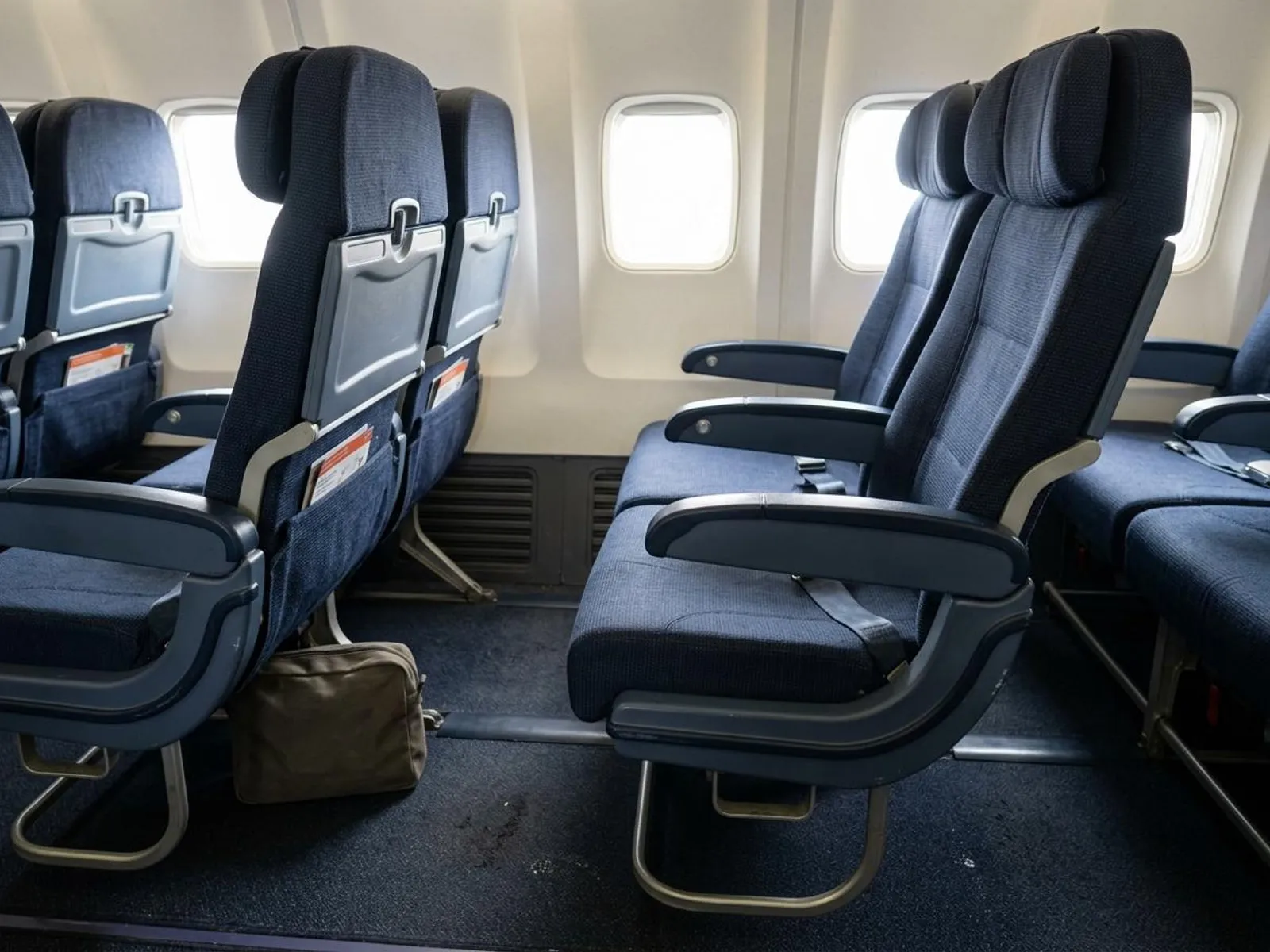
Premium economy is a separate cabin with a different seat, found mainly on larger aircraft and longer flights.
- American says Premium Economy has wider seats, more legroom and extendable foot and head rests, on select flights (American, checked November 15, 2026).
- Delta describes Premium Select as more space, deeper recline and an adjustable leg rest and footrest, with some features missing on certain aircraft (Delta, checked November 15, 2026).
- United says Premium Plus seats are bigger and wider, and that the cabin is available on all its wide-body planes on international routes (United, checked November 15, 2026).
Do not confuse this with Alaska’s Premium Class, which Alaska’s comparison chart describes in terms of extra legroom and early boarding.
Domestic first and international business
The front cabin is not one product.
Domestic first class is a wider seat with more legroom. American describes First as its highest level of service on flights between the 50 US states, with wider seats and more legroom (American, checked November 15, 2026). Delta describes Delta First as a wider, more spacious seat with recline on domestic flights (Delta, checked November 15, 2026).
Long-haul business class is usually where the lie-flat bed is. Delta says each Delta One seat is a 180-degree flat-bed, available on select long-haul international and domestic routes (Delta, checked November 15, 2026). United says Polaris seats convert into a completely lie-flat bed (United, checked November 15, 2026).
The word “business” does not guarantee a bed. American’s Business page covers shorter international flights and notes that some of those aircraft do not have lie-flat seats (American, checked November 15, 2026). Check the seat on your actual flight, and check again if the aircraft changes: see rechecking your seat after an aircraft swap.
Common mistakes
- Comparing only the price, without the bag and seat you need.
- Booking basic economy for a group that needs to sit together.
- Assuming a paid seat removes the basic fare’s rules.
- Assuming any “first” or “business” ticket includes a bed or a lounge.
Where to go next
For lounges, read the routes into an airport lounge. For judging a long-haul seat, read what separates a good business-class seat from a bad one. To price two flights fairly, Travel Tutor explains comparing flight prices with bags, seats and airport costs.
Common questions
Can I bring a carry-on bag in basic economy? It depends on the airline and route. American and Alaska’s pages include one. United’s allows only a personal item on most flights. Delta’s fare page does not say, so check Delta’s baggage page.
Is extra-legroom economy the same as premium economy? No. Extra-legroom seats are economy seats with more room. Premium economy is a separate cabin with a wider seat.
Does domestic first class have lie-flat seats? Do not assume so. American and Delta describe domestic first as a wider seat with more legroom. Delta and United describe flat beds on Delta One and Polaris. Check the seat on your flight.
Sources checked November 15, 2026: American’s Basic Economy, Main Cabin, Main Cabin Extra, Premium Economy, First and Business pages; Delta’s Main Basic, Main, Comfort, Premium Select, First and Delta One pages; United’s Basic Economy, Economy Plus, Premium Plus and Polaris pages; and Alaska’s Saver fare and travel experiences pages. Fare rules change often, so check the airline’s page and your own fare rules before you buy.
This guide is general information, not advice about any particular booking.