Arriving in Seattle: SEA, Link light rail and the last part of the trip
Plan Seattle arrival from the terminal through the airport station and onward to your address, with service alerts and the final city connection included.

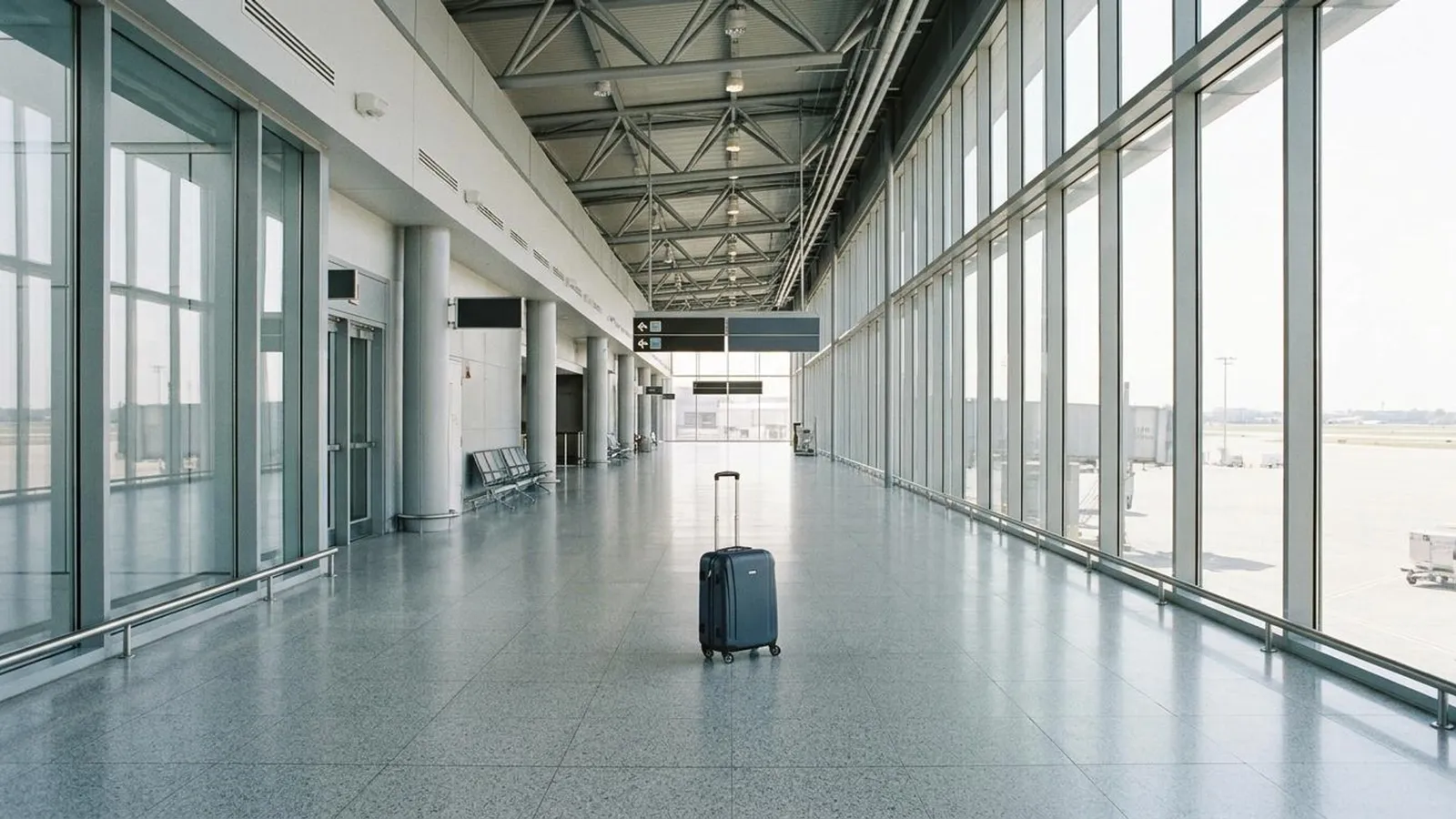
A train that reaches downtown Seattle does not necessarily reach your hotel, your cruise pier or the person collecting you. Plan the arrival in three parts: getting out of Seattle–Tacoma International Airport, reaching the right city stop, and finishing the journey with your bags.
SEA’s Link connection is useful infrastructure, but its normal route is not a promise of service at the moment you land. Your actual destination and the day’s operating notices should decide how you travel.
This guide uses Port of Seattle and Sound Transit information checked November 15, 2026. It gives no live fare, guaranteed journey time or universal connection buffer.
Check the service before committing to the train
On November 16, 2026, Sound Transit reported that regular 1 Line service had resumed after the power disruption between Rainier Beach and SeaTac/Airport (official service alerts, checked November 16, 2026). Check the alert page and journey planner again for your travel day; a normal route map is not a live service guarantee.
Start with the operator’s current alert and trip planner. A normal timetable and a map can remain online while part of the journey operates differently. Check replacement stops as well as train platforms, and reconsider the route if an extra transfer will be difficult with your bags.
Keep a road-transfer fallback. Record where to find the airport’s current pickup information rather than assuming a particular service will have capacity when you arrive. A disruption can change the practical comparison between rail and road without changing your accommodation address.
Domestic and international arrivals have different first steps
For a domestic arrival, collect any checked baggage and follow the appropriate ground-transport signs. For an arrival processed through SEA’s International Arrivals Facility, the airport describes a bags-first sequence: checked baggage, passport control, then the choice to connect or exit. Passengers coming from a US preclearance airport follow a different arrival path (international arrivals, checked November 15, 2026).
Do not use the time of landing as the time your city transfer begins. In an invented example, two travelers reach SEA on flights scheduled for the same hour. One has a domestic arrival and no checked bag; the other needs international processing and baggage collection. They should not arrange an identical fixed pickup merely because the flight times match.
If you are connecting to another flight rather than visiting Seattle, use the airline and airport’s connection instructions. The bag-transfer guide explains why separate tickets need their own questions; this city-arrival guide does not establish that you can leave and return during a flight connection.
The station journey is part of the transfer
The airport directs arriving travelers toward the skybridge and parking-garage route to SeaTac/Airport station. Sound Transit’s airport guidance provides a more specific path near baggage carousel 16, via Skybridge Six, and describes a free electric shuttle between the skybridge and station (SEA guidance, Sound Transit airport page, checked November 15, 2026).
Use the current signs and airport map from where you actually are. “The airport has rail” does not mean a platform is directly outside every baggage carousel. Keep enough practical capacity for the station approach as well as the ride.
A person traveling with a small backpack and someone moving several suitcases may judge that approach differently. If you need assistance, arrange and confirm it through the appropriate provider. The existence of a shuttle or elevator does not establish a complete accessible route for your particular journey.
Choose a city stop using the actual address
The normal 1 Line route serves SeaTac/Airport and Seattle stations including International District/Chinatown, Pioneer Square, Westlake and Capitol Hill. The published route runs between Federal Way and Lynnwood; the stops between the airport and your destination matter more than simply identifying a northbound train (1 Line route, checked November 15, 2026).
Locate the destination entrance, not just a neighborhood pin. Compare the station exit and the remaining walk or bus connection. A hotel that describes itself as downtown can still require a different final route from another hotel using the same description.
For example, imagine two otherwise suitable properties: one near your chosen station exit, another requiring a further transfer with luggage. Compare both complete routes before treating their room prices as equivalent. The difference may matter especially when arriving tired or leaving early.
Check the return plan as well. A convenient afternoon arrival does not establish that the same route will meet an early flight’s requirements.
Keep cruise and rail departures as separate endpoints
If the trip continues to a ship, identify the exact terminal from the cruise booking before planning the last section. The fact that Link reaches central Seattle does not mean its station is your cruise terminal. Keep the address and onward arrangement in your trip folder.
If you are continuing by another train or meeting a car, apply the same rule: name the actual station entrance or agreed pickup point. A broad city label on several reservations is not proof that the handoff works.
TravelTutor’s airport-to-city-station guide explains how to treat that final transfer as its own journey. It is particularly useful when the onward reservation is separate and cannot be adjusted as part of the flight.
Compare door-to-door effort and cost
For rail, include the station approach, any service replacement, the actual city stop and the final section to your door. For road transport, include finding the correct pickup, party and luggage capacity, traffic uncertainty and the full charge you are quoted.
Do not compare an airport-to-downtown ride estimate with a door-to-door car quote. They end in different places. Likewise, a cheaper hotel reached by an awkward final transfer can change the overall first-night choice.
For room-access timing, use planning the arrival day. For an unusually late landing, the first-night guide helps establish the date and access arrangement to confirm with the property.
Leave room for Seattle after arrival
Keep the route and address available offline and choose an uncomplicated fallback if service changes. Once your accommodation and onward arrangements work, explore Seattle on Bucketlist to build an outing around the time left. Arrival need not also be the most ambitious sightseeing day.
If Seattle is the start of a cruise or a wider outing, compare the journey to the correct cruise terminal and when a rental car would actually be useful before fixing the airport transfer.
Common questions
Does the 1 Line always operate normally between SEA and downtown? No service is guaranteed. A replacement-bus alert was present when this guide was checked; use the operator’s current notices for your travel date.
Is the airport station inside the baggage-claim hall? The official instructions include a skybridge and parking-garage approach. Follow current signs and check assistance arrangements if needed.
Which station is best for a Seattle hotel? Use the hotel’s full address and entrance, then compare the complete route. “Downtown” is not a sufficiently precise destination.
Sources checked November 15, 2026: Port of Seattle Link guidance and international arrivals; Sound Transit airport guidance, 1 Line route and service alerts.