Vancouver Airport: US Preclearance, Connections and the Canada Line
What is different about flying into and out of Vancouver as a US traveler: Canadian border steps on arrival, US preclearance before the flight home, connections, and the Canada Line to downtown.

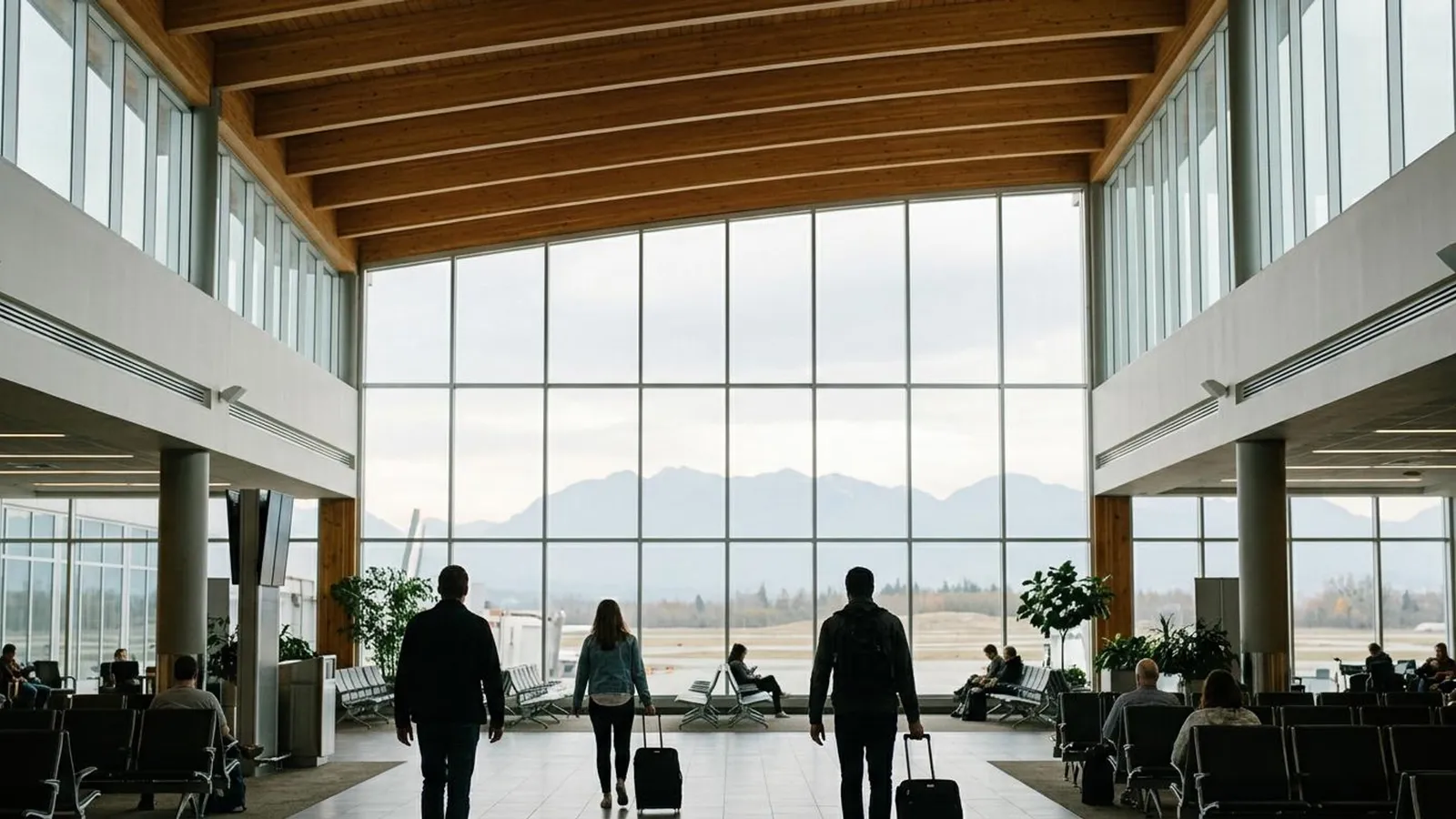
Vancouver International Airport (YVR) looks like a short hop from most US cities, but it works differently from a domestic trip in two places. On the way in, you cross the Canadian border at the airport. On the way home, you clear US border inspection in Vancouver, before you board, and US Customs and Border Protection says precleared travelers bypass its inspection on arrival in the United States.
This guide is reported, not experienced. It is built from the pages of US Customs and Border Protection (CBP), the Canada Border Services Agency (CBSA), the Government of Canada and TransLink, linked below and checked on November 15, 2026. It also uses YVR’s own page on connecting through the airport, read the same day. Points that only the airport or your airline can confirm are marked as things to check there. This guide gives no fares, wait times or ratings.
Arriving from the US: the Canadian border comes first
Your flight from the US lands as an international arrival, and CBSA decides entry.
Documents. For US citizens, CBSA recommends traveling with a valid passport to prove identity and citizenship, regardless of age. It says airlines check identification before boarding, that boarding does not guarantee entry, and that a border services officer decides admissibility on arrival (CBSA travel documents, checked November 15, 2026).
No eTA for US citizens. Canada’s electronic travel authorization (eTA) applies to many visitors who fly in. The Government of Canada says US citizens are exempt and must carry proper identification such as a valid US passport. US lawful permanent residents are also exempt, and need official proof of status, such as a valid permanent resident card (Form I-551, the green card), along with a valid passport from their country of nationality (Canada.ca eTA facts, checked November 15, 2026).
Kiosks. CBSA lists Vancouver among the airports with primary inspection kiosks, where arriving travelers verify their identity and make an on-screen declaration (CBSA kiosks and eGates, checked November 15, 2026).
Advance Declaration. You can make the customs and immigration declaration ahead of time with Advance Declaration in ArriveCAN, up to 72 hours before the flight. The page lists YVR as a participating airport and says travelers who use it review and certify the declaration at a kiosk or eGate and can use Advance Declaration express lanes. It says Advance Declaration cannot be used with NEXUS kiosks (Canada.ca Advance Declaration, checked November 15, 2026).
Going home: US preclearance happens in Vancouver
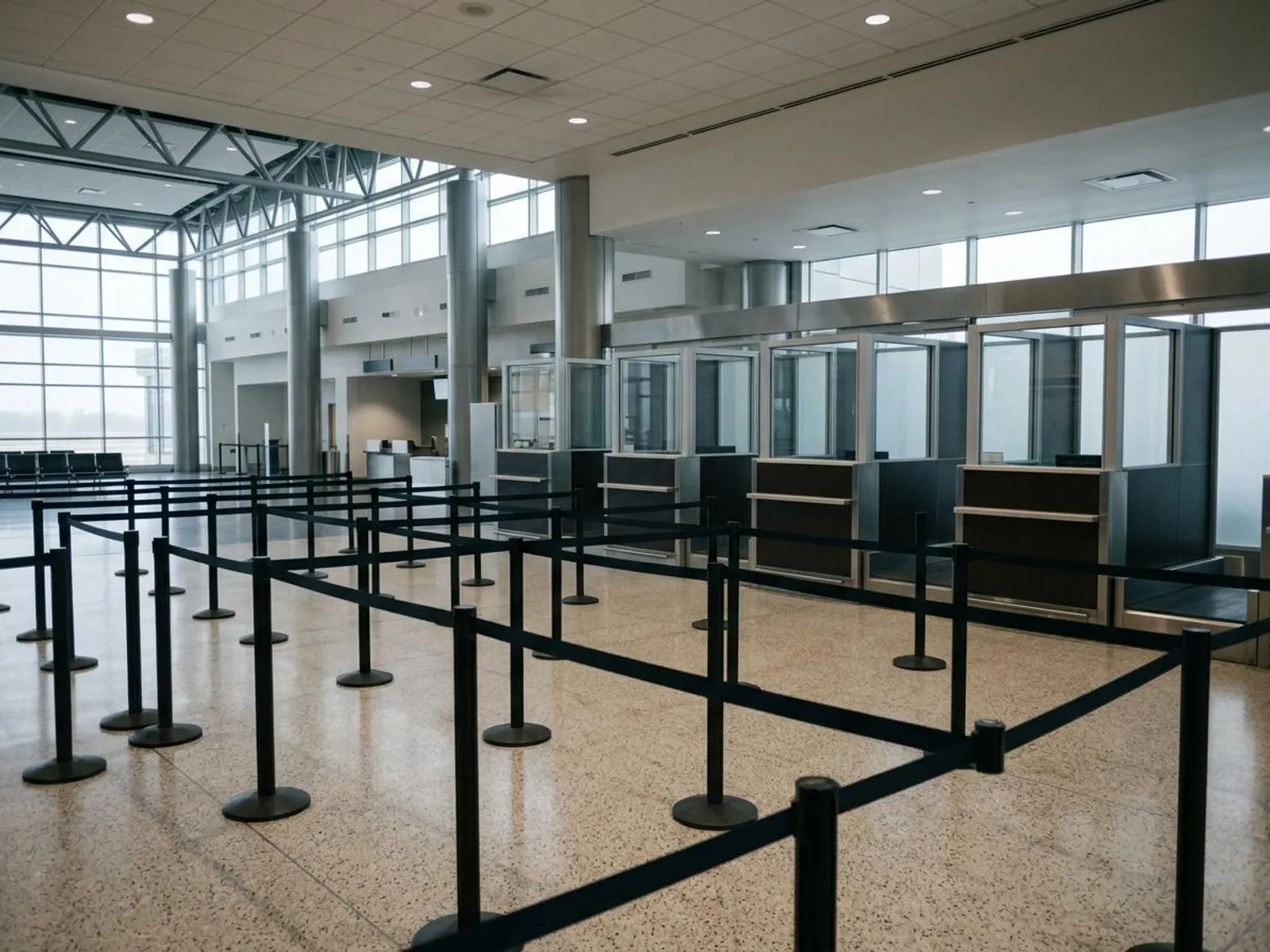
CBP describes preclearance as stationing its own officers at certain foreign airports to inspect travelers before they board US-bound flights. Vancouver is one of ten Canadian sites on CBP’s list, which places it in YVR’s International Terminal, Level 3 (CBP Preclearance, checked November 15, 2026).
CBP says precleared travelers bypass CBP and Transportation Security Administration (TSA) inspection when they arrive in the United States and go straight to a connecting flight or their destination.
What it changes about timing
The inspection doesn’t go away. It moves to the start of the trip.
- In Vancouver, the US inspection comes before the gate. YVR’s connections page describes pre-board security screening and then the CBP preclearance facility on the way to the US departure gates. CBP’s page gives no recommended arrival time, and this guide won’t invent one. Use your airline’s check-in and bag-drop deadlines for US flights from YVR, and the airport’s guidance for US departures.
- Check the preclearance hours against an early or late flight. CBP publishes them on its preclearance page.
- On landing, CBP says there is no second inspection. CBP lists easier domestic connections among the benefits of preclearance. Confirm with your airline that your flight is precleared. For how a precleared arrival works at one US airport, see our guide to connecting at SFO.
Programs that still apply
CBP lists Vancouver International Airport among the sites where Mobile Passport Control (MPC) is available. MPC is CBP’s free app for submitting passport and travel details ahead of inspection by a CBP officer. US citizens and lawful permanent residents are among those who can use it, and CBP says it does not replace a passport (CBP Mobile Passport Control, checked November 15, 2026).
CBP also lists YVR among airports with Global Entry, with a note that it has no enrollment center (CBP airports with Global Entry, checked November 15, 2026).
The two directions side by side
| Flying US to Vancouver | Flying Vancouver to US | |
|---|---|---|
| Who inspects you | CBSA (Canada) | CBP (United States) |
| Where | At YVR, after landing | At YVR, before boarding |
| Tools the agency lists for YVR | Kiosks; Advance Declaration | Mobile Passport Control; Global Entry |
| Time to allow | Check the operator’s page | Check the operator’s page |
Connecting through YVR between international and US flights
Some US travelers change planes at YVR on the way home from another country. CBP describes preclearance as inspection before boarding a US-bound flight, and YVR’s own page says passengers connecting to a US departure go through pre-board security screening and the CBP preclearance facility before the gate (YVR, Connecting Through YVR, checked November 15, 2026). YVR says the steps before that vary with where you arrive from and whether your bags are checked through to your final destination. Passengers whose bags are not checked through, including those on separate tickets, follow the standard arrivals flow: Canada Customs, baggage claim, then check-in again.
YVR asks passengers to confirm baggage status and connection requirements with their airline before arriving. Before booking a connection there, confirm on YVR’s connections page and with your airline:
- Which connection process applies to your direction of travel.
- Whether your bags are checked through to your final airport.
- Whether both flights are on one ticket. On separate tickets, assume nothing about bags or missed connections until the airline confirms it.
The Canada Line to downtown and the cruise terminal
The rail link is TransLink’s Canada Line, part of the SkyTrain network. TransLink says it runs between YVR–Airport station and Waterfront station in downtown Vancouver, and gives the total trip as approximately 25 minutes (TransLink, Visiting Vancouver, checked November 15, 2026).
Three things to know before boarding:
- There are two branches. Both start at Waterfront. One goes to YVR–Airport and the other to Richmond–Brighouse, and TransLink names Bridgeport as the station for changing between them. Heading to the airport from downtown, check the train’s destination (TransLink SkyTrain schedules, checked November 15, 2026).
- Trips from the airport carry an extra charge. TransLink adds a YVR AddFare to trips that start at the three Sea Island stations, including YVR–Airport, and end at Bridgeport or beyond. It says there is no AddFare on trips to the airport. It applies to tickets and DayPasses bought at those stations, to Compass Card stored value and to contactless payment (TransLink AddFare, checked November 15, 2026). Read the current amount and zone fares on TransLink’s page.
- You can tap a bank card. TransLink says its readers accept contactless credit and debit cards and mobile wallets, charged at the adult cash fare, and asks riders to use the same card when transferring (TransLink fares, checked November 15, 2026).
For a cruise from Canada Place, Waterfront is the Canada Line’s downtown end, and TransLink’s visitor page points to its Trip Planner for routes between YVR and the Canada Place cruise terminal. The Port of Vancouver’s website also refused access on the date checked, so confirm terminal access and embarkation-day arrangements with the port and your cruise line.
First-hand note
No first-hand note yet. This guide is reported from the official sources linked above.
If Vancouver is more than a connection
Bucketlist’s Vancouver place page gathers experiences to consider around your flights. Two examples are a Talking Trees walk in Stanley Park and the Great Hall at UBC’s Museum of Anthropology. Those are ideas for your time in the city, not part of the airport process above.
For the other parts of a Vancouver trip: Cruise Champion covers Vancouver’s Canada Place cruise terminal; Hotel Hacker covers a night in Vancouver before a cruise or a train; and Railway Reviews covers the Amtrak Cascades train between Seattle and Vancouver.
Common questions
Do US citizens need an eTA to fly to Vancouver? The Government of Canada says US citizens are exempt from the eTA and must carry proper identification such as a valid US passport. For US citizens, CBSA recommends traveling with a valid passport.
Do I go through US customs in Vancouver or when I land? In Vancouver. CBP lists YVR as a preclearance location and says precleared travelers bypass CBP and TSA inspection on arrival in the United States. Confirm with your airline that your flight is precleared.
How early should I get to YVR for a flight to the US? CBP’s preclearance page gives no figure. Use your airline’s deadline for US departures from YVR and the airport’s own guidance.
Is there a train from Vancouver airport to downtown? Yes. TransLink’s Canada Line runs between YVR–Airport and Waterfront station downtown.
Sources checked November 15, 2026: US Customs and Border Protection’s Preclearance, Mobile Passport Control and airports with Global Entry pages; the Canada Border Services Agency’s travel documents and kiosks and eGates pages; the Government of Canada’s Advance Declaration and eTA facts pages; and TransLink’s Visiting Vancouver, SkyTrain schedules, fares and AddFare pages; and YVR’s Connecting Through YVR page. The Port of Vancouver’s website could not be read on that date, and no other YVR page was read. Check each official page before you travel.